
Collaborative Post
Walk onto a film set before the cameras roll, and you will often find a quiet kind of magic happening. A plain room becomes a wedding venue. A bare table turns into a political debate stage. A cold warehouse corner suddenly feels like a cozy family dining room. So much of that transformation comes from the details, and one of the most underestimated details is fabric. In studio work, table coverings are not just accessories. They are mood shapers, scene builders, and problem solvers.
That is exactly why studio productions so often rely on wholesale tablecloths as versatile set dressing. They are affordable, flexible, easy to style, and powerful enough to change the emotional language of a scene in minutes. For production designers, art departments, prop stylists, and event-based media teams, these simple textiles can do far more than cover a table. They can soften harsh lines, add visual depth, absorb light, support a period look, and create continuity from one shot to the next.
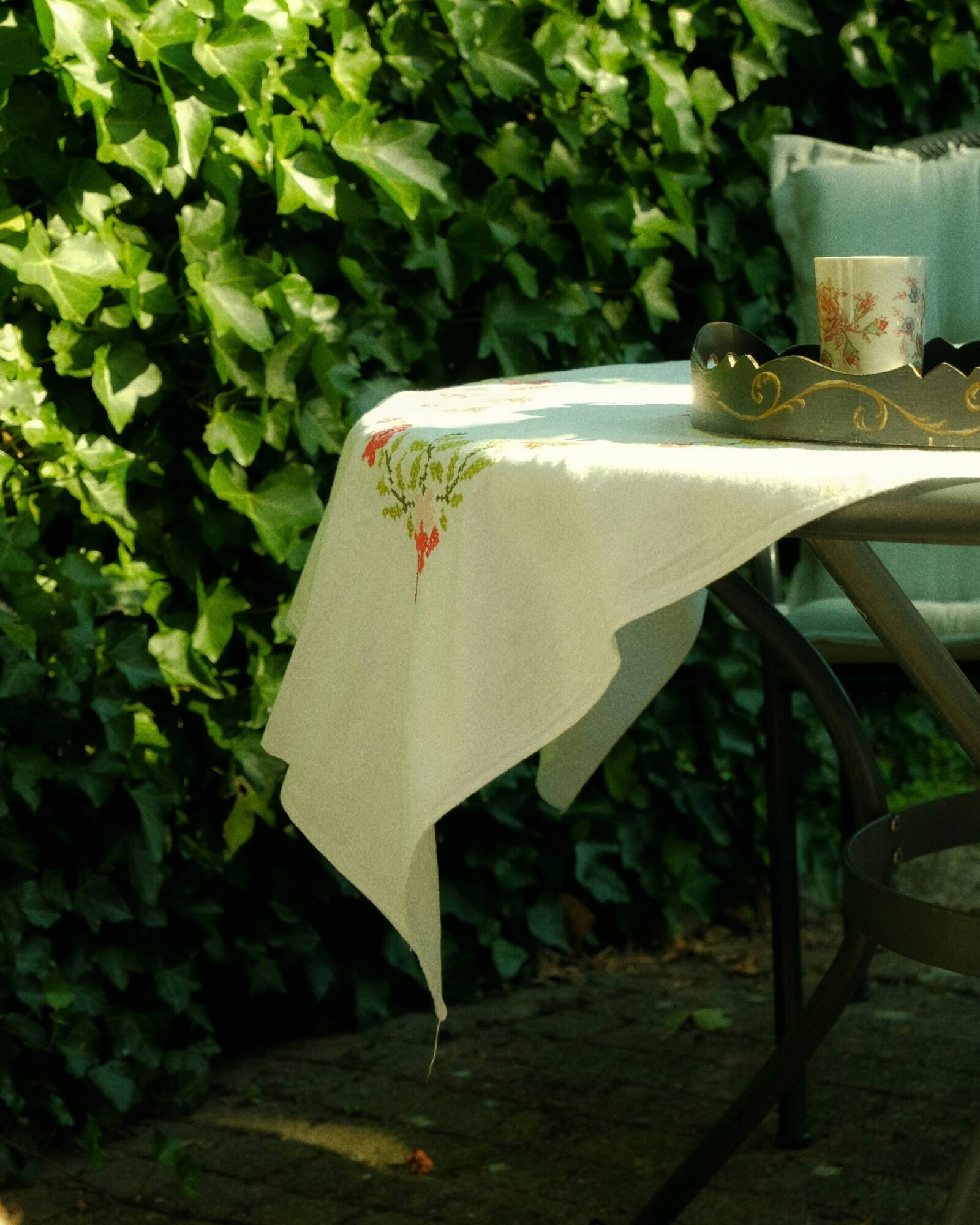
Why wholesale tablecloths make sense on professional sets
Studios move fast. Budgets stretch. Timelines tighten. Every object on set has to earn its place. That is where wholesale tablecloths become such a practical choice. Instead of sourcing one expensive decorative piece at a time, production teams can stock a range of colors, textures, and sizes that work across multiple scenes.
This matters because set dressing is rarely static. A morning shoot may need an elegant banquet look. By afternoon, that same stage may need to become a school fundraiser, a courtroom overflow room, or a modest kitchen. Fabric gives you freedom. A tablecloth can be clipped, layered, wrinkled on purpose, steamed smooth, or even hung as a backdrop. What seems ordinary at first glance becomes a behind-the-scenes workhorse.
There is also a deeply emotional reason these textiles matter. Viewers may not consciously notice the cloth on a side table, but they feel it. They sense whether a room looks cared for, tense, celebratory, neglected, old-fashioned, or aspirational. Fabric carries atmosphere. And atmosphere carries story.
How bulk tablecloths help create fast visual transformation
When productions need scale, speed becomes everything. A large studio audience setup, a gala scene, or a restaurant sequence may require dozens of matching linens at once. That is where wholesale tablecloths prove their value. They create consistency across a set while saving both money and sourcing time.
Imagine a scene built around a charity event. Without coordinated table coverings, the room can feel unfinished, almost emotionally flat. Add the right fabric, and suddenly the environment has intention. It breathes. It suggests effort, expectation, and social meaning. Even in the background, those choices matter.
There was once a crew member speaking with a survey respondent after a test screening, and the exchange stayed with everyone nearby. The respondent could not explain why a banquet scene felt “real,” but kept returning to the phrase, “It looked lived-in, like people had prepared for something important.” That quiet reaction says a lot. Good set dressing works beneath language. It reaches people before they know what to call it.
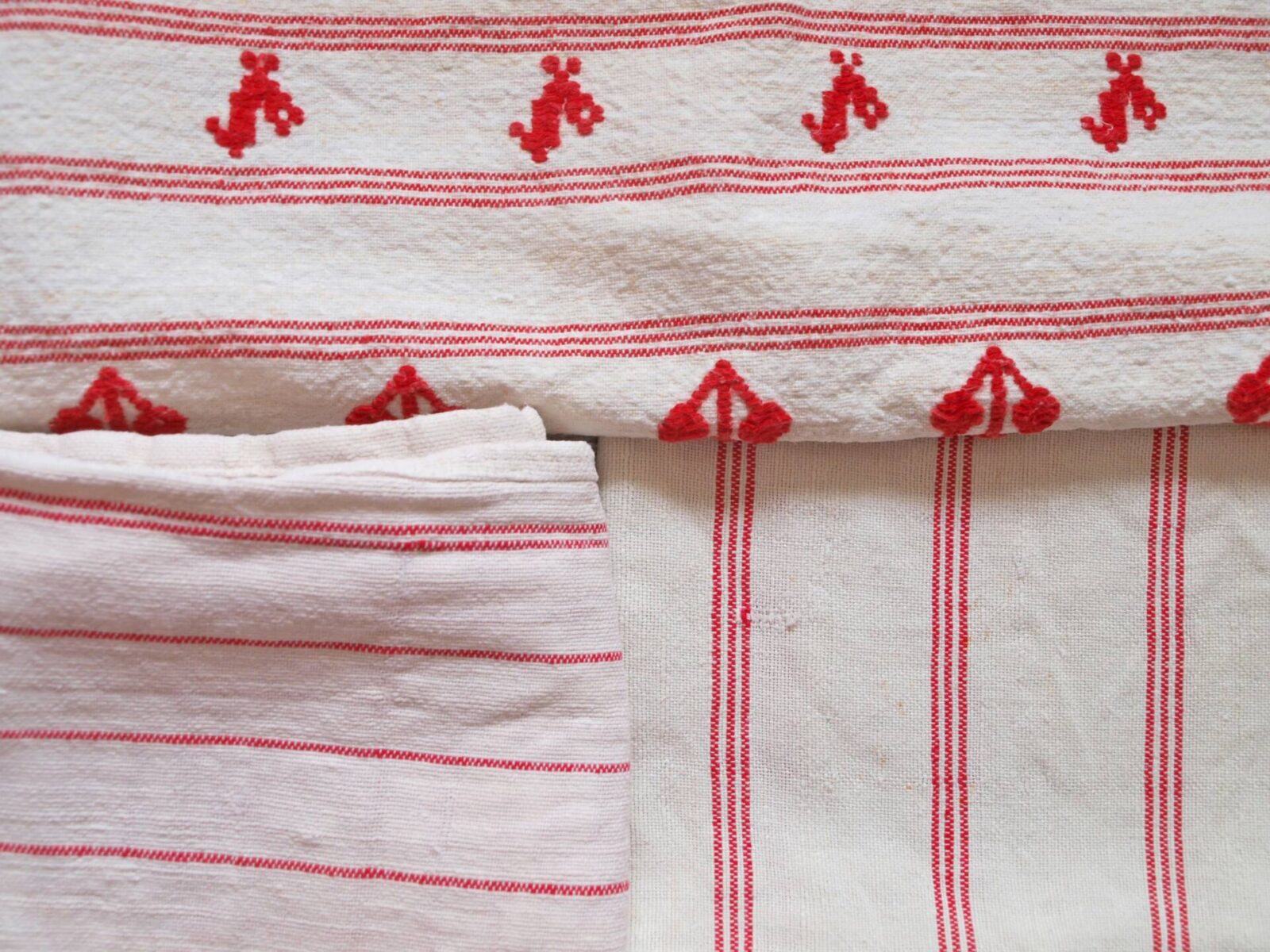
Using color, texture, and drape to shape the story
A tablecloth is never just a tablecloth on camera. It interacts with lighting, lens choice, set color, wardrobe, and movement. Crisp white can feel formal, sterile, romantic, or tense depending on context. Velvet can suggest luxury or secrecy. Linen can feel grounded and intimate. Satin can create glamour, but also visual chaos if used carelessly under strong light.
Production teams often think in layers. One fabric sets the base mood. Another adds contrast. A runner, overlay, or gathered edge can create dimension in a frame that might otherwise feel too flat. This is one reason bulk tablecloths become so useful during prep. Having multiple options on hand allows the art department to test, compare, and pivot quickly when a scene is not visually landing the way it should.
There is a lesson here about flexibility too. On some sets, decisions move through a strangely hierarchal chain, with every small styling adjustment waiting for approval. Yet seasoned crews know the best results often come when smart people are trusted to respond in the moment. One stylist once swapped a formal cloth for a softer, textured option just before rehearsal. The room immediately felt warmer, less rigid, more human. No speech was needed. Everyone could see it.
Beyond tables: creative uses in modern studio environments
The real beauty of wholesale tablecloths is that they are not limited to tables at all. Productions use them to hide equipment, cover unattractive surfaces, soften walls, wrap prop platforms, create temporary partitions, and even reduce visual clutter in wide shots. When budgets are under pressure, that kind of versatility becomes priceless.
A neutral cloth can disguise mismatched furniture. A dark fabric can help objects recede into shadow. A bold color can anchor a themed set without the cost of custom building. In photography studios, fabric may be repurposed for product staging, food styling, or interview backdrops. In streaming productions, where speed and adaptability matter more than ever, these practical materials help teams build polished spaces without wasting resources.
One set designer once sketched a quick diagram on the back of a call sheet to show how fabric could redirect the eye across a scene. It was not fancy. Just arrows, boxes, folds, and notes about where the camera would land. But that tiny diagram helped the whole crew understand how one length of cloth could calm a busy frame. Sometimes the simplest tools unlock the clearest creative thinking.
Choosing the right fabrics for repeated studio use
Not every cloth works equally well under production conditions. Durability matters. So does wrinkle resistance, washability, opacity, and how the material responds to different lighting setups. Matte fabrics are often safer when glare is a concern. Heavier textiles provide richer drape. Lighter ones are easier to manipulate and transport.
For teams sourcing wholesale tablecloths, consistency is another major advantage. Matching replacements are easier to find, and continuity across multiple shooting days becomes less stressful. Meanwhile, bulk tablecloths make practical sense for productions that need backup inventory in case of spills, damage, weather exposure, or last-minute creative shifts.
Smart studios usually build a fabric library over time. They keep staples in classic shades, then mix in trend-driven or specialty pieces as projects demand. That approach saves money while giving designers a dependable creative foundation.
The fabric behind the feeling
Set dressing is often invisible when it works well. That is the point. The audience should feel the world before they stop to study it. Fabric helps make that possible. It softens reality, sharpens intention, and supports the emotional truth of a scene in ways that are easy to overlook but impossible to replace.
When studio productions choose thoughtfully, they are not just buying linens. They are investing in atmosphere, efficiency, and storytelling range. From grand event scenes to intimate family moments, these materials help transform empty space into believable worlds. And in an industry built on illusion, that kind of quiet versatility is not small at all. It is essential.
